
Interview
Denise Upshaw
Painter · Houston • Oakland
After a decade in criminal justice and policy, she came back to painting and built Black Houston Creatives Network around access.

-
01 · On home
Where are you from?
I’m an Oakland girl with Texas roots and traditions! Born and raised in Oakland, California, my family’s roots run deep in Texas, with grandparents from Nacogdoches and Bryant. So even though I grew up on the West Coast, Southern culture and traditions have always been part of who I am. I’ve also lived in New York City, so I’ve had the privilege of experiencing three cities with incredibly rich cultural identities. I like to think Oakland gave me my foundation, New York expanded my perspective, and Houston gave me the space to build something of my own. Each city has influenced how I see the world, connect with people, and express myself creatively. And if you know anything about Oakland, New York, and Houston, you know each city has its own distinct personality. I like to think I’ve picked up a little something from all three!
-
02 · On creativity
What does “being creative” mean to you?
For me, creativity is freedom. It’s the ability to take something that exists in your imagination and bring it into the world. I think we sometimes put creativity in a box and associate it exclusively with painting, music, fashion, or other traditional art forms. But creativity is so much bigger than that! It’s how we solve problems, navigate challenges, build relationships, and even find ways to make something extraordinary out of limited resources. Some people create beautiful paintings. Others create opportunities, experiences, or solutions. I love all of it. Creativity is the ability to see possibilities where others might see limitations.
-
03 · On becoming
Can you describe the time when you first realized that creating was something you absolutely had to do?
My relationship with creativity started pretty early. Growing up in Oakland, I was an energetic child, and my mother introduced me to art as a way to channel some of that energy. Poetry, music, painting, and other forms of expression became outlets for emotions and experiences I didn’t always have the language to explain. But I think my relationship with creativity came full circle much later in life. After spending more than a decade working in criminal justice, public policy, and advocacy, I experienced professional burnout. I had spent so much time pouring into my work and other people that I hadn’t realized how disconnected I’d become from the things that brought me joy. When I started exploring Houston’s art scene and painting again, something shifted. I was reconnecting with a version of myself that I’d unintentionally left behind. That’s when I realized creativity wasn’t just a hobby or something I did when I had free time. It was something I needed.
-
“ Sometimes the difference between someone realizing their potential and never discovering it isn’t talent. It’s access. ”
-
04 · On rituals
What kind of creative patterns, routines or rituals do you have?
I’m probably the wrong person to ask about routines because my creative process is very free-flowing! I can have an entire idea mapped out in my head after one good conversation. I love sitting outside in the morning and letting the sunlight wash over me. There’s something about that quiet time that allows my mind to wander, process, and connect ideas. I’m also inspired by people. I love a good conversation, especially one that challenges how I think or introduces me to a perspective I hadn’t considered. Art exhibitions, cultural experiences, music, travel, and even random observations can spark something in me. I’ve learned that I need both stimulation and stillness. Sometimes my creativity comes alive in a room full of people, and other times I need to sit somewhere quietly and let my thoughts catch up with me. And I’ve stopped feeling like every creative idea needs to become a project. Sometimes it’s enough to simply enjoy the process of imagining.
-
05 · On favorites
What’s your favorite thing you’ve ever created?
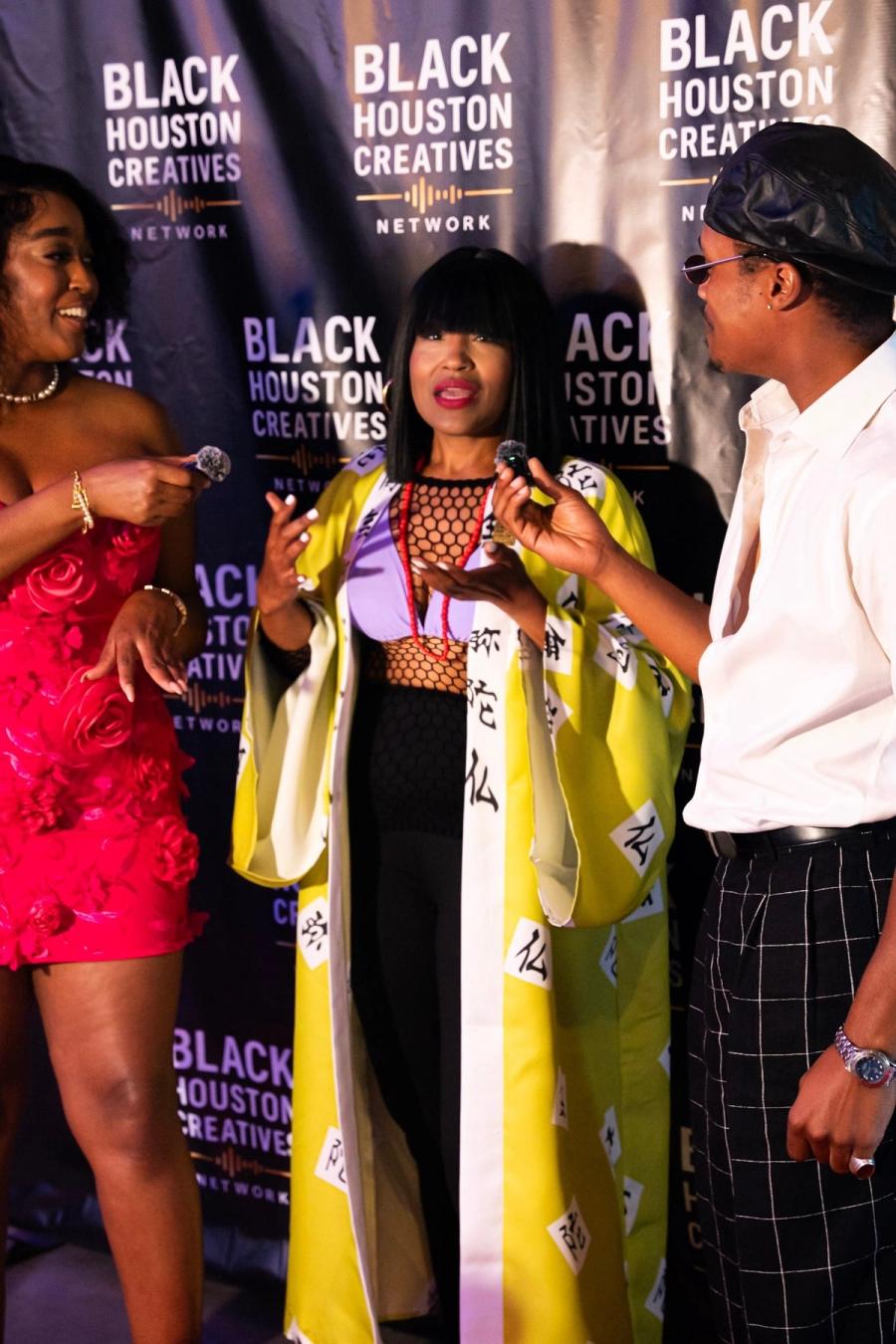
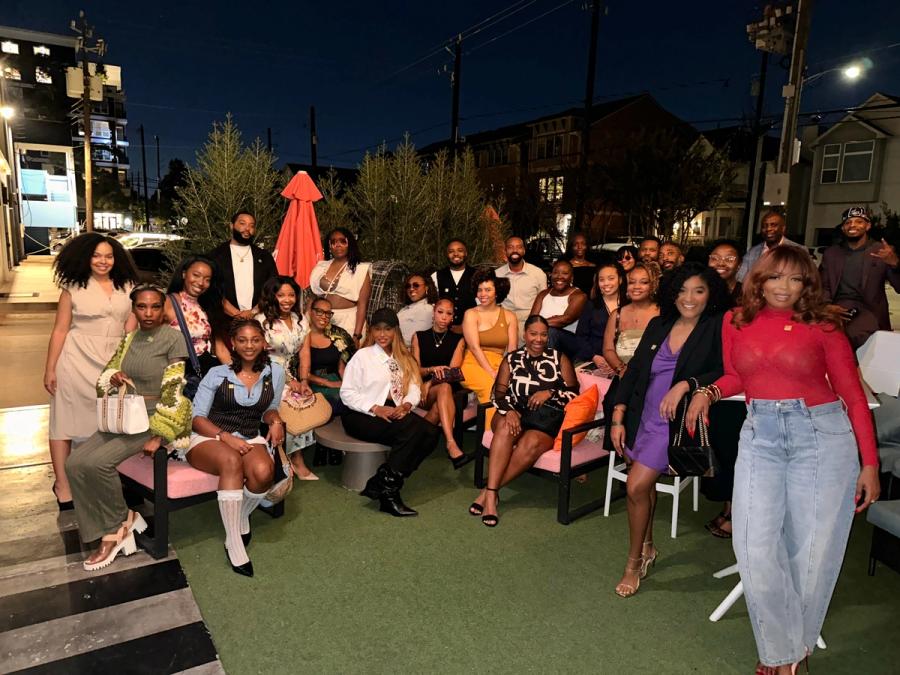
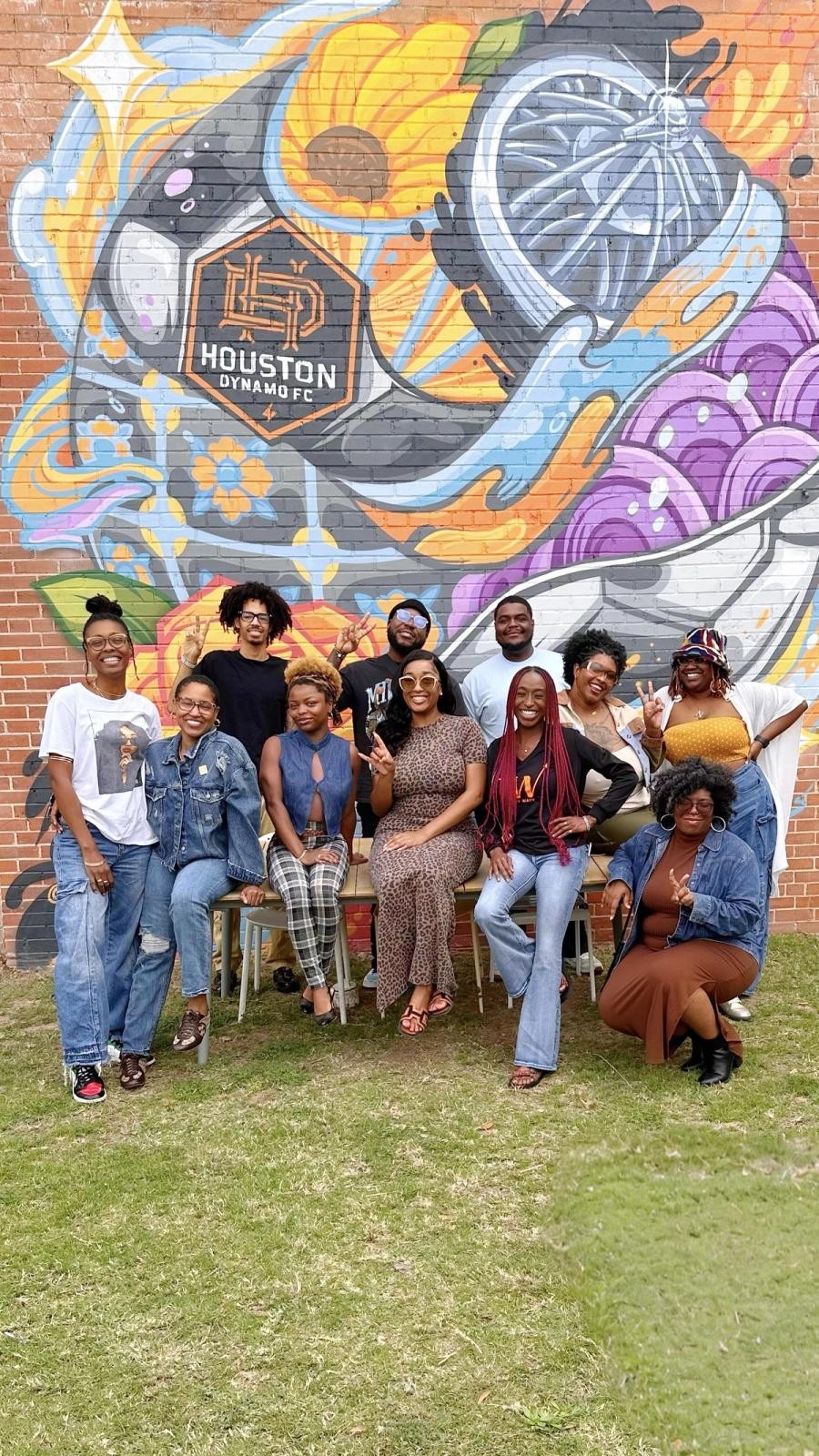
Without question, Black Houston Creatives Network (BHCN). What’s interesting is that I never imagined myself creating a professional association for creatives. My career was rooted in criminal justice, public policy, and advocacy. But looking back, BHCN is really an intersection of everything I’ve loved and learned throughout my life. It brings together my passion for art, storytelling, community building, strategic thinking, and creating opportunities for other people. What started as an idea has evolved into a professional association, media platform, and creative economy ecosystem connecting Black creatives throughout Houston. One of my favorite things is watching people make connections through something I’ve created. Seeing a creative receive media coverage, land an opportunity, build a relationship, or simply walk into a room and feel like they belong is incredibly fulfilling. And the funny thing is, I still feel like I’m figuring it out as I go! Every new partnership, experience, and conversation introduces another possibility. BHCN is probably the most complex creative project I’ve ever taken on, and it’s also one of the most rewarding.
-
06 · On meaning
What are you trying to communicate with your art?
That our stories matter, our perspectives have value, and our circumstances don’t have to determine our possibilities. I learned a lot about the importance of access while working with high school students at Bronx Design and Construction Academy in New York City. That experience helped me recognize how much exposure, resources, and opportunity can influence a young person’s perception of what’s possible for their future. Sometimes the difference between someone realizing their potential and never discovering it isn’t talent. It’s access. That lesson stayed with me throughout my career and eventually became a major influence in why I created BHCN. Whether I’m painting, producing content, curating an experience, or building relationships through the organization, I want my work to communicate possibility. I also want people to recognize that creativity has value beyond entertainment or aesthetics. It can preserve history, influence culture, create economic opportunities, strengthen communities, and change how people see themselves. Art can be beautiful, but it can also be powerful. I love when it’s both.
-
07 · On what's next
Which creative medium would you love to pursue but haven’t yet?
I’d love to explore cultural exchange as a form of creative expression, particularly by connecting Black creatives across the African diaspora. I’m fascinated by the ways our cultures influence one another, from music and fashion to visual art, storytelling, and entrepreneurship. We share so many cultural connections, yet there are incredible opportunities to learn from one another and experience how creativity shows up in different parts of the world. I envision creating immersive experiences that bring Black creatives from Houston together with artists and cultural leaders in places like Ghana, Nigeria, London, the Caribbean, and beyond. Think collaborative exhibitions, creative exchanges, cultural experiences, and opportunities to build relationships that extend across borders. And I don’t want it to be just about traveling or experiencing another culture. I want creatives to build meaningful relationships, exchange knowledge, collaborate on projects, and discover new economic opportunities. My ultimate ambition is to help build a creative ecosystem that connects Black talent across the diaspora, where our cultural influence translates into collective opportunity. I think that would be an incredible next chapter for BHCN.
-
08 · On advice
What’s the best advice you ever had about how to be more creative?
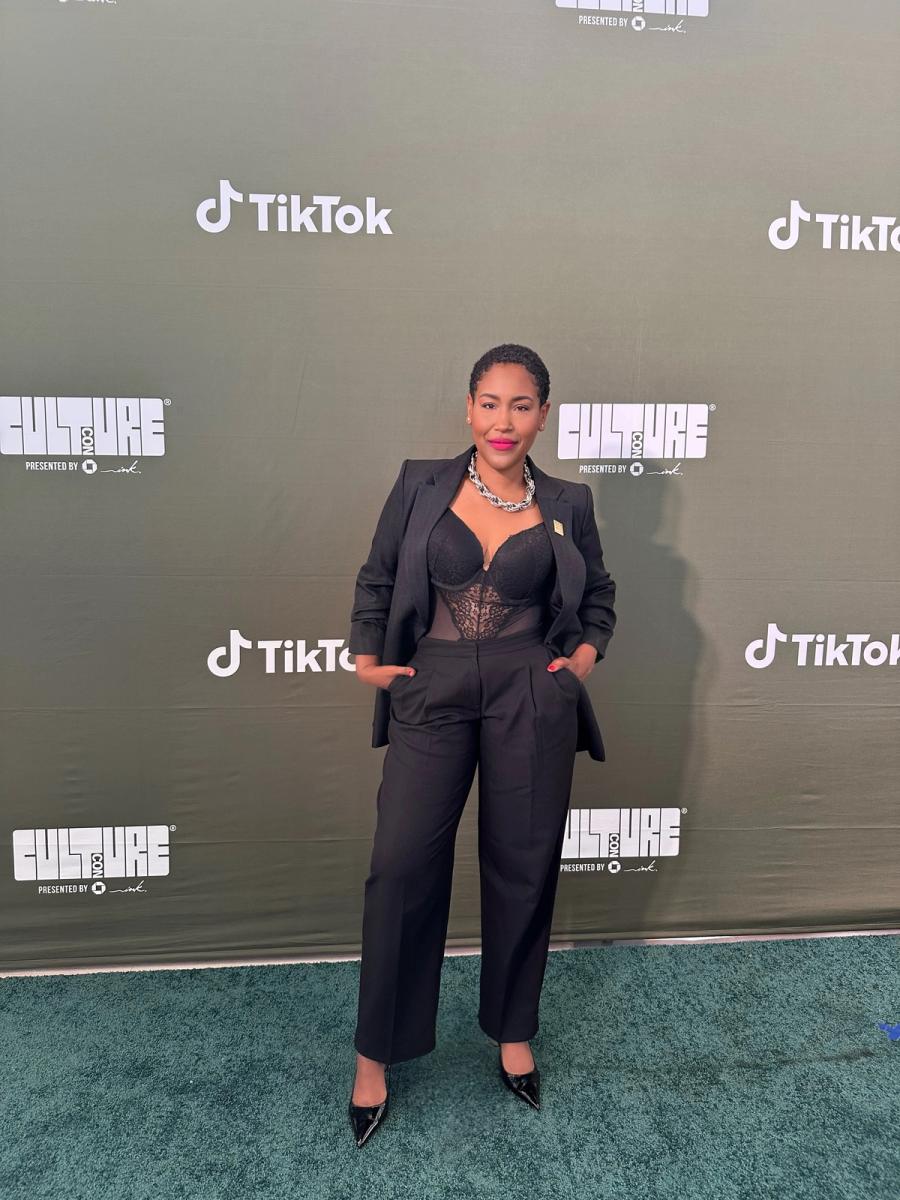
One of the most impactful pieces of advice I’ve received recently came from Imani Ellis, the founder of CultureCon. While serving as a press partner at CultureCon in New York City, I had the opportunity to interview her. I asked what advice she would give someone in their first year of building a collective. Her response was simple: “Figure out what problem you’re solving.” Whew! That one stuck with me. As creatives, we can get so excited about an idea that we immediately start thinking about what it could look like, who we could collaborate with, and how we could bring it to life. I’m definitely guilty of that! But her advice reminded me that meaningful creativity requires intention. It’s not always about creating more. Sometimes it’s about understanding why you’re creating something in the first place. As I enter my second year of building BHCN, I’m thinking more intentionally about the challenges we’re addressing, the opportunities we’re creating, and how we measure our impact. And I’ve realized something else along the way: Not every great idea needs to be executed, but the right idea can change someone’s life.
The work · 4
Who should we interview next?
Every interview starts with a nomination or an editor's pick. Nobody can pay for one.
Nominate someoneMore interviews
 Interview
Ian Findley
Photographer · Houston
A Houston photographer who plans every frame before he leaves the house and makes pictures to process what he grew up with.
 Interview
Darrell Robins
Illustrator, Painter, Tattoo artist · Houston
A Houston artist turning perspective, memories & cultural experiences into bold visual stories
Chi Chi
Photographer · Houston
A Houston photographer using motion and glass to turn everyday moments into something dreamlike.